feature
Hội An: The Town That Was Saved by Being Forgotten
A 400-year-old trading port, a UNESCO World Heritage Site, a tailoring capital, and the best food city in central Vietnam. Plus a beach, a river, and a full moon festival that's free.
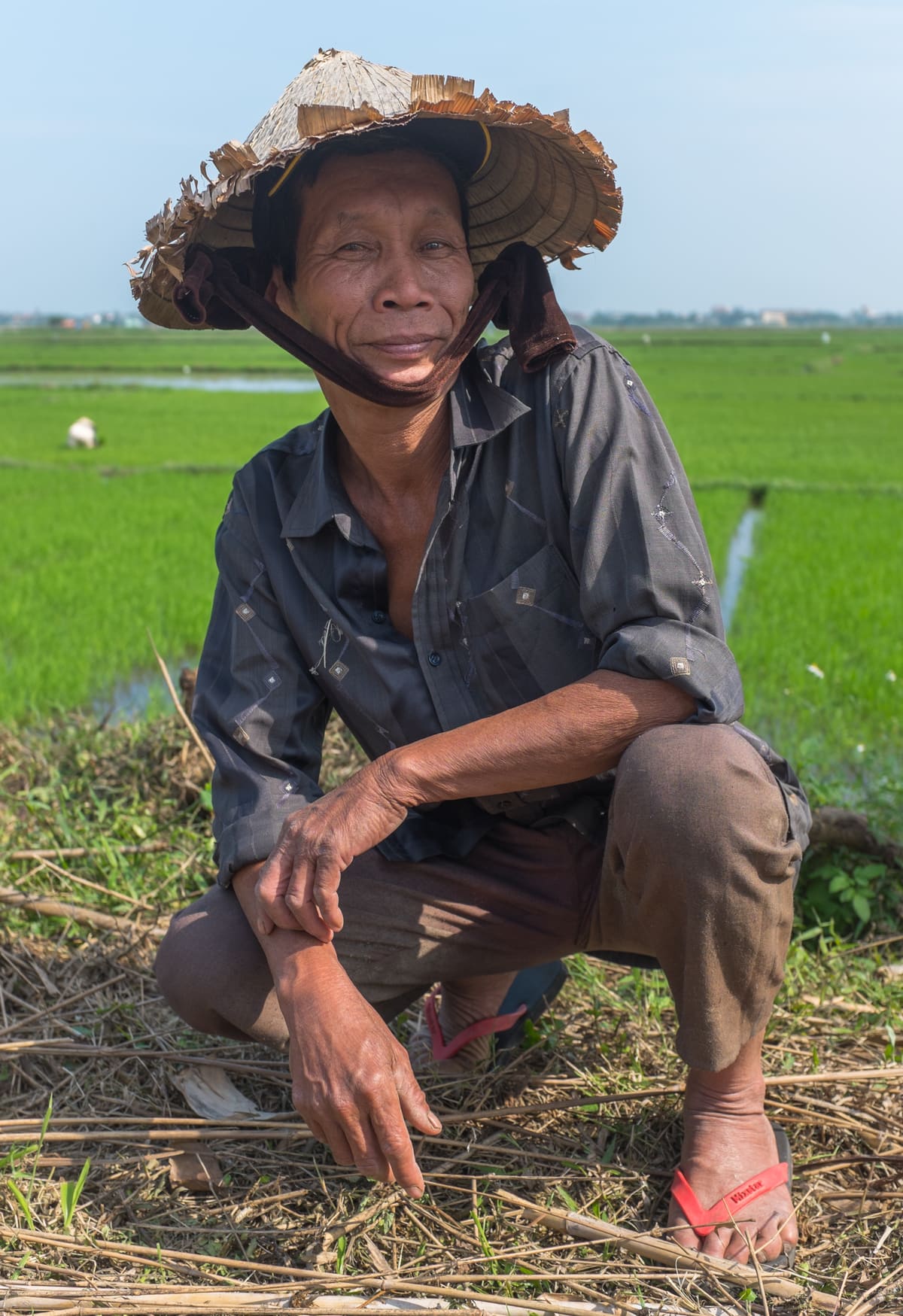
Hội An was, for 400 years, one of the great trading ports of Southeast Asia. Japanese merchants, Chinese guilds, Dutch traders, Indian moneylenders, and Portuguese missionaries all passed through and left a layer. Then the Thu Bồn River silted up, the port moved to Đà Nẵng, and Hội An became a quiet market town for two centuries. In 1999, UNESCO made it a World Heritage Site, and the world found it again.
Today it's a small city (~120,000 people) with an unusually preserved old town of yellow walls, French colonial balconies, Chinese assembly halls, and a Japanese covered bridge that is, on a full-moon night, the most photogenic place in Vietnam.
The Old Town
Walkable in two hours. The ticket system (120,000 VND, ~$5) gets you into 5 of the 22 heritage sites; you choose which. The must-sees:
- Chùa Cầu (Japanese Covered Bridge): 1593, built by Japanese merchants, held together with no nails. The small temple inside is for the dog deity.
- Hội Quán Phúc Kiến (Fujian Assembly Hall): The most elaborate of the Chinese guild halls.
- Quan Công Miếu: The Guan Yu temple, dramatic and red.
- Tan Ky Old House: 200-year-old merchant home, lived in by 7 generations.
Tailoring capital of Asia
Hội An has 500+ tailors in a town of 120,000. The good ones (Yaly, Beo, Bebe, Indochina) are genuinely excellent. The bad ones are bad. Tips:
- Bring a photo of what you want, or a Pinterest board.
- Allow 2 fittings (initial + final), so 2-3 days lead time minimum.
- A bespoke suit: $150-300. A bespoke dress: $80-200. Shoes: $80-150.
- Ask for the fabric content (linen, cotton, silk) up front. Don't accept "fabric."
The food map
Hội An has its own cuisine, distinct from the rest of Vietnam. The famous dishes:
- Cao lầu: A noodle dish only made here, with pork, greens, and a particular noodle made from lye water. Try Mì Quảng 24 (Trần Phú).
- White Rose (bánh bao vac): Translucent dumplings only made in Hội An. Try White Rose Restaurant (Phan Chu Trinh).
- Mì Quảng: Turmeric noodles, peanuts, herbs. Different from cao lầu but similar.
- Bánh xèo: Crispy crepe, smaller than the southern version. Bale Well (Đào Duy Tổ).
- Com Ga Hoi An (chicken rice): The local lunch staple. Any of 100 places.
The full moon festival
On the 14th of every lunar month, the electric lights in the Old Town are turned off. Paper lanterns (which the town makes — it's a 400-year-old industry) line the streets, and people float small candles on the river. The night market sets up on the walking street. It is, genuinely, magical. Free. The next one is on the 14th of the next lunar month — plan around it.
Where to stay
Inside the Old Town (small hotels in old buildings, $50-150/night) or in An Bang Beach (4 km east, the laid-back beach, $40-100/night). The Old Town is more atmospheric, the beach is more relaxing. Most people split — 3 nights Old Town, 2 nights beach.
How long to stay
3-4 nights. The town is small but the food scene, the beach, the cooking classes, the tailoring, and the cycling to the surrounding countryside can fill a week. Many people come for 2 nights and end up staying for 7.
Filed under
Plan a trip to Indonesia
Use our AI trip planner to create a personalized itinerary in 30 seconds.
✨ Try the AI trip planner