The truth about Vietnamese street food
Why the best meal you'll eat in Vietnam costs less than a coffee back home.
By Ketut Sari·4 min read
# The truth about Vietnamese street food
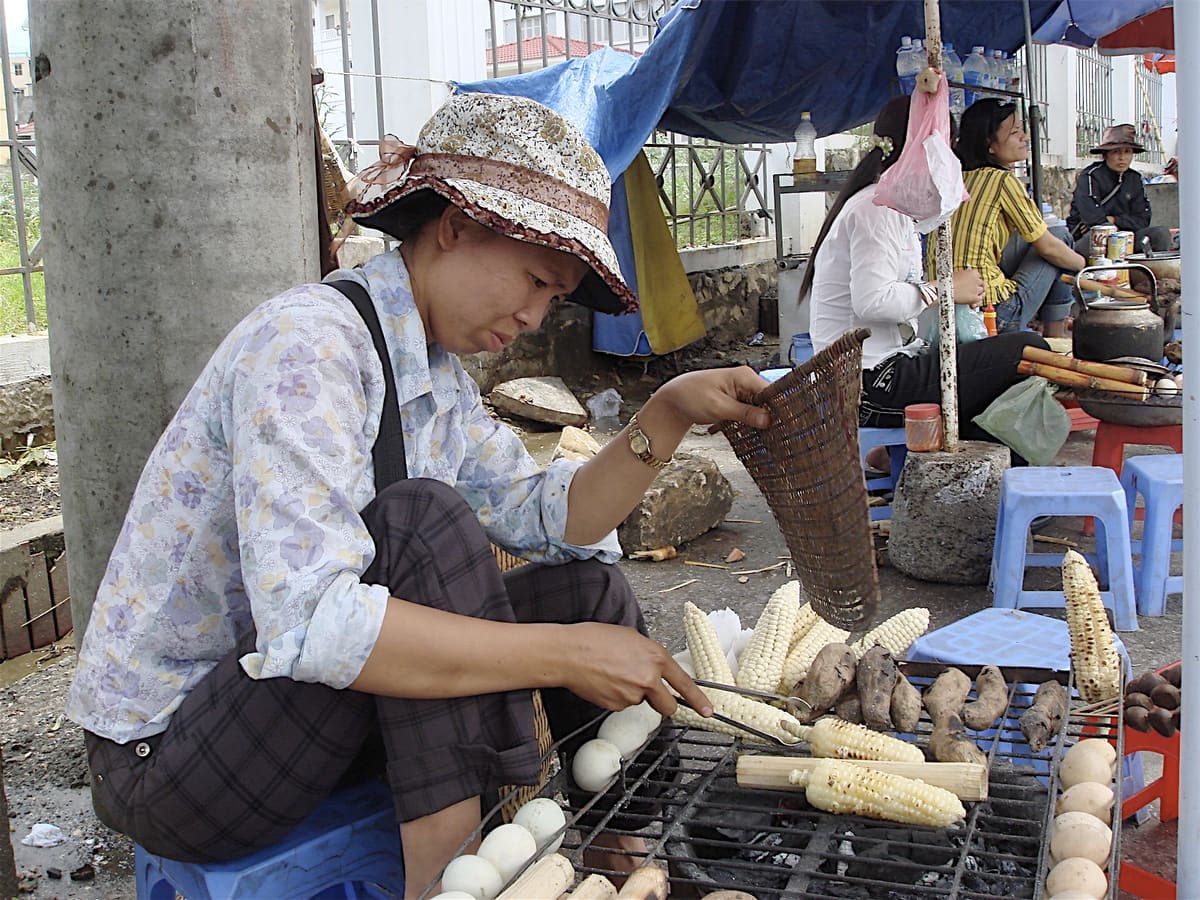
Vietnam's street food is the country's most underrated cultural institution. Tourists come for the phở and the bánh mì, but those are just the entry points. The real food lives in unmarked alleys, in tiny plastic stools on the sidewalk, in the cart that's been parked at the same corner for 30 years.
The best meal I ate in Vietnam cost me 25,000 VND. That's about a dollar. It was a bowl of bún bò Huế at a stall in Hội An that I'd walked past three times before I finally stopped. The owner, a woman in her 60s, cooked it in front of me — broth, lemongrass, shrimp paste, chili oil, a half-bowl of herbs. I ate it standing up. I still think about it.
## The setup
Vietnamese street food works the same way across the country. A small cart or stall, plastic stools, a few metal tables if you're lucky. The cook is almost always a woman, usually middle-aged or older, often with a family member handling the cash.
You point at what looks good. Or you ask "món gì ngon?" ("what's good?"). They serve it. You eat. You pay. The whole transaction is 10-15 minutes.
## What to eat
**Bún chả** — Grilled pork patties on rice noodles with a fish-sauce dipping broth. Hà Nội's signature. Obama ate it with Anthony Bourdain at Bún Chả Hương Liên, and the stall now has a plaque about it.
**Bánh xèo** — A crispy turmeric crepe filled with shrimp, pork, and bean sprouts. Cut into pieces, wrapped in lettuce with fresh herbs, dipped in nước chấm. Central Vietnam.
**Cao lầu** — A noodle dish that only exists in Hội An. The thick rice noodles are made with water from a specific ancient well — a marketing claim, but the dish itself is real and the flavor is unlike anything else in Vietnam.
**Cơm tấm** — Broken rice with grilled pork chop, a fried egg, pickled vegetables, and fish sauce. The working-class lunch of southern Vietnam. Found at every street corner in HCMC after 11am.
**Chè** — A sweet dessert soup, made with beans, tapioca, coconut, fruit, and ice. Every region has its version. Eat it for breakfast if you want — the Vietnamese do.
## How to find it
The food is wherever the locals are. Look for:
- A long line at lunchtime
- Plastic stools, not real chairs
- A woman over 50 doing the cooking
- A menu that's only in Vietnamese
- An empty bottle of fish sauce on the counter
A stall that looks dirty from the outside is fine. The hygiene standards in Vietnamese street food are generally excellent — the turnover is so high that nothing sits around long enough to spoil.
## What to avoid
- Anywhere with a menu in 12 languages
- Anywhere with pictures of the food (tourist trap)
- Anywhere near the major tourist sites that has more than 5 stools (too commercial)
- Ice in tourist-area drinks (the ice is usually fine, but avoid if you're worried)
## Drink with it
**Bia hơi** — Fresh draft beer, brewed that day, served at 4,000-6,000 VND a glass. The national drink of working people. Hà Nội has the most famous bia hơi corners, but every city has them.
**Trà đá** — Iced tea, free at most stalls, sometimes 2,000 VND if there's a sign. Drink it with everything.
## The economics
A bowl of phở: 30,000-50,000 VND ($1.25-2).
A plate of cơm tấm: 25,000-40,000 VND.
A bánh mì: 15,000-25,000 VND.
A bottle of bia hơi: 5,000-8,000 VND.
The median daily food budget for a Vietnamese person is around 80,000-150,000 VND ($3.50-6.50). For a tourist, even at the most expensive places, $20-30 a day for three meals is comfortable.
You will eat the best meals of your life for less than a coffee in a Western airport.
Plan a trip to Indonesia
Use our AI trip planner to create a personalized itinerary in 30 seconds.
✨ Try the AI trip planner