feature
Vietnam: The Country of Ascending Dragons
A 3,260-km sliver of a country that invented the elevator rice grain, weathered a thousand years of foreign rule, and somehow turned the chaos into the world's most-celebrated bowl of noodle soup.
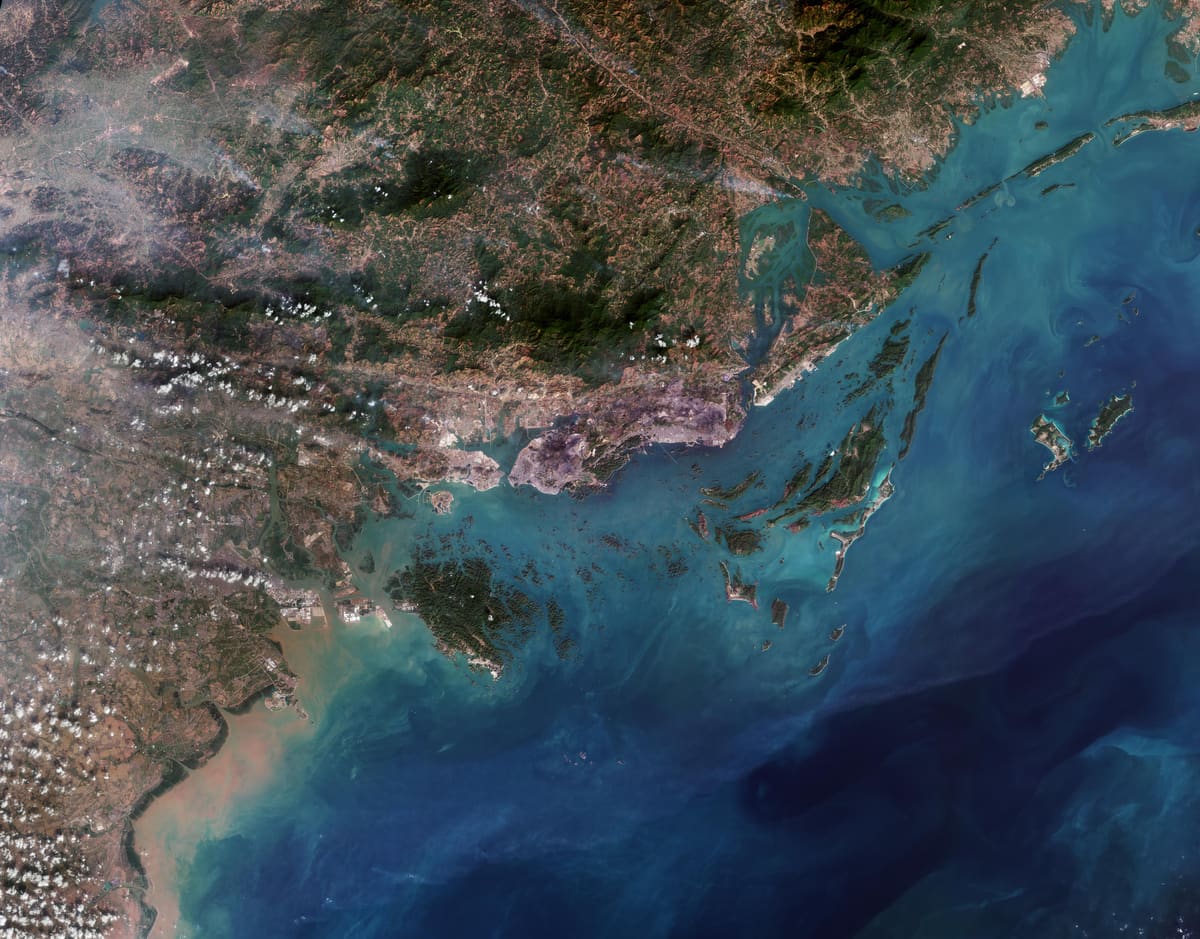
Vietnam is the shape of an S that learned calligraphy. It stretches 1,650 km from the red-delta north to the tangled Mekong south, with the Annamite Range running its length like a spine, and 3,260 km of coast that was, for two thousand years, both the reason foreigners came and the reason they never quite left.
To travel Vietnam north-to-south is to read the country in chapters. Hà Nội opens with the smell of phở and diesel, lakes, and a French colonial grid that the Vietnamese have thoroughly outwitted. Hạ Long Bay — 1,600 limestone karsts rising from the Gulf of Tonkin — is the postcard, but the real bay is the fishing life around it, sampans at dawn, women in conical hats selling shellfish. Huế sits on the Perfume River where the Nguyễn dynasty ruled for 143 years; the citadel here is a smaller, more melancholy Forbidden City. Hội An is the merchant town that paid for itself as a port for centuries and now pays for itself again as a UNESCO time capsule of yellow walls and silk lanterns.
The south is younger, faster, and louder. Saigon (HCMC) is a city of 9 million motorbikes that somehow moves like a school of fish — one organism, eight million opinions. The Mekong Delta beyond it looks like someone dropped a thousand green commas into a brown soup, and life there happens on the water, on the boats, in the floating markets, with a pace and a patience that makes the rest of the country look like it has somewhere to be.
What makes Vietnam different
It is not a country of looking. Vietnam is a country of doing. The coffee is the strongest you'll find anywhere in the region and you drink it sitting on a tiny plastic stool on a sidewalk at 6:30 a.m. The food is the freshest, the portions are the smallest, and the bill is always a third of what you'd expect. The motorbike is the default vehicle, the default shop, the default restaurant, the default home, and — alarmingly often — the default family car.
The people are reserved with strangers, affectionate with guests, and have perfected the art of correcting you with a smile. They are also, by any measure, the most entrepreneurial society in Southeast Asia: the average Vietnamese family runs three businesses before breakfast and considers redundancy a personal failure.
What to know before you go
- Visas: E-visa available for 80+ countries. 30-day single entry. Easy.
- Money: Vietnamese đồng (VND). Bring USD as backup — exchange anywhere.
- Language: Vietnamese. Tone-based, six tones, famously unintelligible. Learn "cảm ơn" (thank you) and "xin chào" (hello). It goes a long way.
- Best months: Feb–Apr (north) and Dec–Apr (south). Avoid typhoon season Jul–Nov on the central coast.
- Health: Tap water is not for drinking. Street food is the safest food. Counterintuitive but true.
Vietnam rewards the traveler who slows down. A week in Hội An is better than three days. A bus from Huế to Hội An over the Hai Van Pass is one of the great road trips in Asia and takes four hours — do it in daylight, sit on the left, and do not fall asleep.
The country will surprise you. It surprised the French (who lost it), the Americans (who lost it), the Chinese (who keep trying) and every first-time visitor who arrives expecting one thing and leaves remembering the bowl of bún chả they ate on a plastic stool in a back alley in Hà Nội at 11 p.m. with someone they met an hour earlier.
Filed under
Plan a trip to Indonesia
Use our AI trip planner to create a personalized itinerary in 30 seconds.
✨ Try the AI trip planner