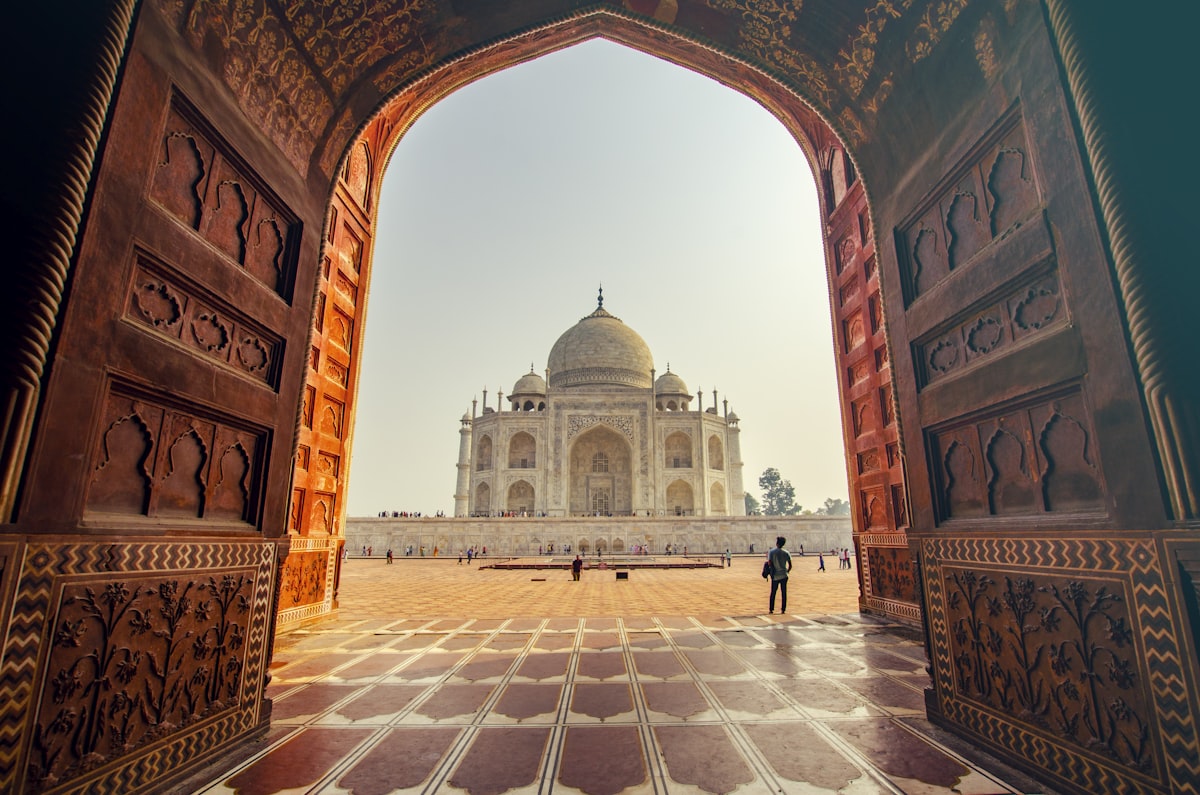
The city's flagship museum — local history from prehistory to today.
Entry
Rp 30,000
Hours
Daily 09:00–17:00
Rating
★ 4.2
Location
Pulau Ubin
<h2>Heritage Museum of Pulau Ubin — cultural collection</h2>
<p>Heritage Museum of Pulau Ubin offers visitors a curated window into the region's heritage. The city's flagship museum — local history from prehistory to today.</p>
<h3>The collection</h3>
<p>The museum's holdings typically include archaeological artifacts, ethnographic objects, religious art, and historical documents. Many museums also feature contemporary art exhibitions alongside their traditional collections. Allow at least 2-3 hours for a thorough visit.</p>
<h3>Notable exhibits</h3>
<p>Most museums have signature pieces that anchor the collection — a famous sculpture, a royal artifact, or an archaeological find. Ask the museum staff or check the guidebook for highlights.</p>
<h3>Guided tours</h3>
<p>Guided tours add significant value to the museum experience, providing context and stories that bring the objects to life. Many museums offer tours in English and other languages.</p>
<h3>Photography rules</h3>
<p>Most museums allow non-flash photography for personal use, though some exhibits may have restrictions. Check signage or ask staff before taking photos.</p>
Don't miss
3 things to see & do
✨
Curated collection
✨
Cultural context
✨
Educational programs
Heritage & significance
<p>Museums across the region play a critical role in preserving cultural heritage — they are repositories of art, history, and traditional knowledge that might otherwise be lost. Heritage Museum of Pulau Ubin curates these collections to educate visitors and support ongoing cultural preservation.</p>
<p>The modern museum movement in Southeast Asia has moved beyond simple display to active interpretation, community engagement, and contemporary relevance. Many museums now incorporate interactive exhibits, audio guides, and cultural programming.</p>
Best for
History and culture enthusiastsEducational travelersRainy day activitySlow travelers
<p>This museum was established in the 20th century to preserve the cultural heritage of the region. It is housed in a building that served various purposes during the colonial period. The collections were donated by local families, monasteries, and archaeological excavations over decades.</p>
✨ The story behind
<p>The most famous object in the museum was discovered by a farmer tilling his rice field in the early 20th century. He kept it as a family heirloom for three generations before donating it to the museum, where it became the centrepiece of the main gallery and the museum's most-photographed exhibit.</p>
🏛️ Cultural significance
<p>The museum serves as a living archive — schoolchildren visit weekly, and the curators host traditional craft demonstrations every weekend. The collection tells the story of the region from prehistory to the present day.</p>
⭐ Fun fact
"The museum's most valuable artifact survived a wartime bombing because it had been moved to a village temple for safekeeping. The villagers refused to return it until the war ended, and the government eventually bought them a new temple roof as thanks."